

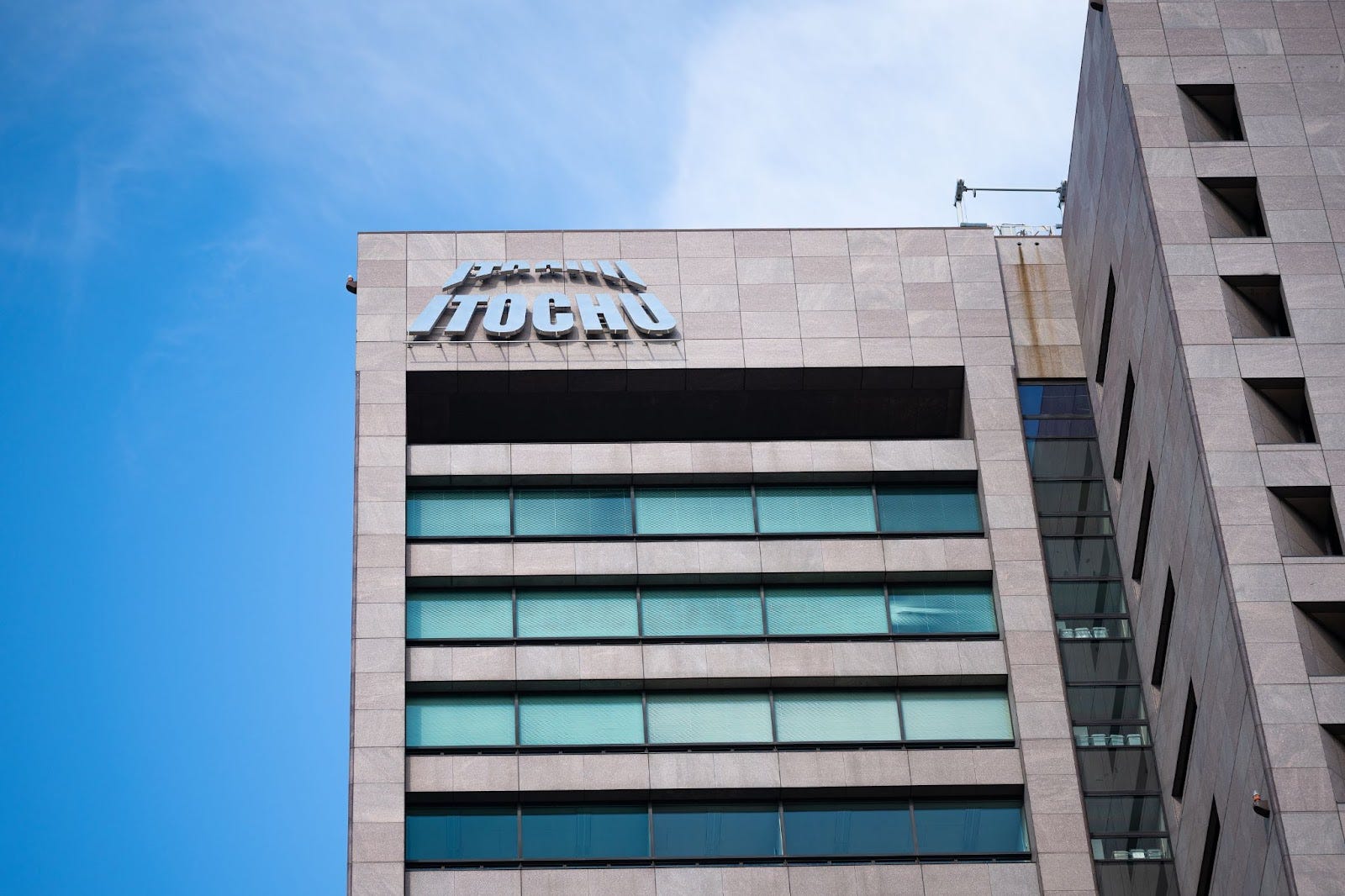
In response to the January 26 International Court of Justice ruling recognizing potential genocide in Gaza, Itochu Corporation, a Japanese trading conglomerate, has recently severed ties with Elbit Systems, one of Israel’s largest defense contractors. After nearly 30,000 Palestinians lost their lives in the Israel-Hamas conflict, with approximately 2 million Gaza residents displaced by Israeli airstrikes and gunmen since October 7, the International Court of Justice issued a long-awaited set of rulings mandating humanitarian assistance, preservation of evidence, and prevention of genocidal acts from Israel on January 26.
Itochu Corp is a mammoth corporation, with 90 bases in over 60 countries and a place on Fortune’s Global 500 list. Prior to the Israel/Hamas war, Itochu’s aviation unit and Elbit Systems signed an agreement regarding future projects on March 15th, 2023, which would have made Itochu a leader in the Japanese defense market by receiving combat-proven systems from the contractor. Elbit Systems stated, “Elbit Systems, NAS, and Itochu Aviation have signed an MOU [Memorandum of Understanding], and Elbit will provide technology and advanced solutions” to Japan. The technology exchange contract encompassed deals regarding military aircraft and land-based equipment for the Japanese military.
However, after the announcement of cooperation between Elbit and Itochu, Japanese student activists and others quickly boycotted and protested against Itochu in December of 2023. The company whose mission statement was “Good for the buyer, good for the seller, and good for society” drew sharp criticisms. Protestors urgently demanded that Itochu cancel the contract, and more than 30,000 Japanese citizens signed a petition that referred to Elbit Systems as the “Merchant of Death.”
The Japanese organization Students and Youths for Palestine also spread awareness online of the details regarding the Israeli company’s involvement in the Gaza war. “Elbit Systems produces 85% of the drones and land-based equipment that the Israeli military uses,” the source stated. Activists pointed to surveillance drones, white phosphorus bombs, and projectiles also created by Elbit Systems and quoted the company’s “field-tested” equipment, particularly the Iron Sting guided mortar munition used in October 2023, as evidence of exploitation of Palestinian lives for weapon experimentation. Public opposition persisted even in the face of statements from Itochu’s Chief Financial Officer stating that the “partnership was based on a request from Japan’s defense ministry for the purpose of importing defense equipment for the Self-Defense Forces necessary for Japan’s security and is not in any way related to the current conflict between Israel and Palestine.”
However, this year, when the International Court of Justice expressed its concerns over the possibility of genocide in Gaza, Itochu Corp promptly announced the termination of their 2023 memorandum of understanding with Elbit Systems. Chief Financial Officer Tsuyoshi Hachimura stated, “Taking into consideration the International Court of Justice’s order on January 26 and that the Japanese government supports the role of the Court, we have already suspended new activities related to the MOU and plan to end the MOU by the end of February.” Before the company could even begin trading weapons with Elbit Systems, Itochu Corporation responded to the ICJ’s order with a formal termination of their MOU with the Israeli defense contractor.
Itochu’s decision highlights a growing trend of corporate accountability and collective responsibility concerning international conflict. As public mobilization has increased, how can corporations better align business decisions with humanitarian principles? To what extent should public activism influence corporate decision-making in matters of international conflict? While there is no immediately clear answer, one thing remains certain: these are questions that an increasing number of corporations will have to address with care and diligence.
